Does Cryotherapy Help With DOMS? A Look at Delayed Onset Muscle Soreness
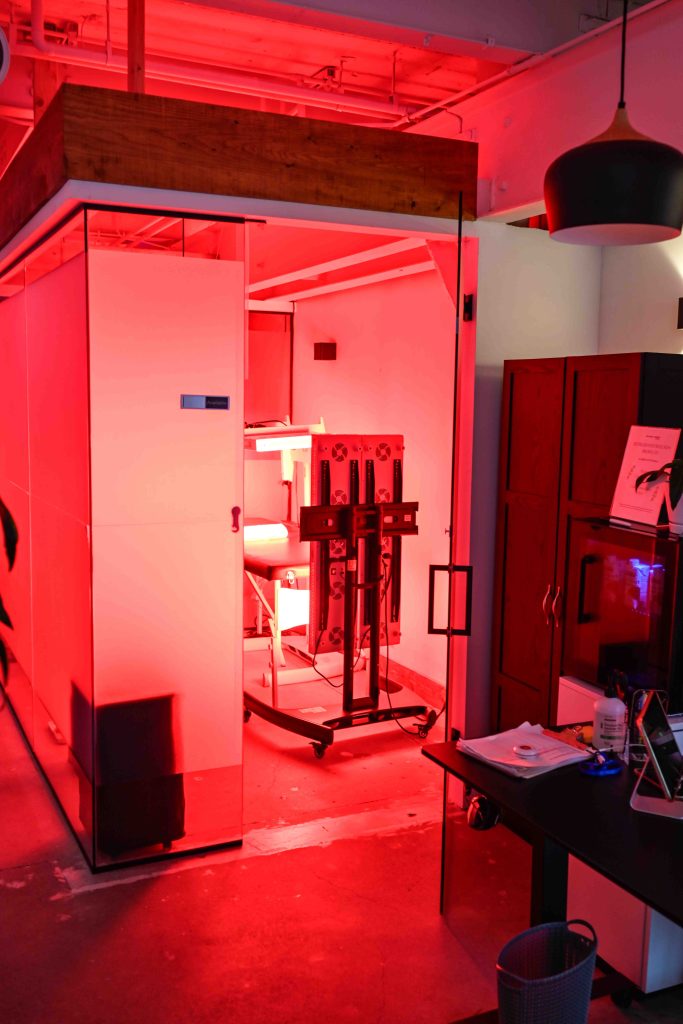

If you train hard enough, soreness eventually becomes part of the conversation. Not the sharp, immediate pain that signals a strain or a tear, but the heavy, dull ache that creeps in the next day, peaks when you sit down and stand back up, and makes stairs feel oddly personal. That is delayed onset muscle soreness, better known as DOMS.
Cryotherapy often enters the picture right around then. A runner finishes hill repeats, a lifter leaves leg day feeling optimistic, and by the next morning the quads are barking. Someone suggests an ice bath. Someone else recommends whole-body cryotherapy. Another person swears by a cold plunge after every hard session. The underlying question is always the same: does cold exposure actually help, or does it just feel like something productive?
The short answer is that cryotherapy can help with the perception of soreness and may improve how recovered you feel in the day or two after hard exercise. What it does not appear to do consistently is speed muscle repair in a dramatic way. It is a symptom-management tool more than a magic recovery fix. That distinction matters, especially for athletes trying to balance performance, adaptation, comfort, and training frequency.
What DOMS actually is
DOMS tends to show up 12 to 24 hours after unfamiliar or high-intensity exercise and often peaks around 24 to 72 hours later. It is especially common after eccentric loading, which is the lowering phase of a lift or any movement where muscle lengthens under tension. Think downhill running, Romanian deadlifts, split squats, negatives on pull-ups, or returning to training after time off.
For years, people casually blamed soreness on lactic acid. That explanation does not hold up. Lactate clears relatively quickly after exercise. DOMS is more closely tied to microscopic muscle damage, local inflammation, connective tissue stress, shifts in fluid, and the nervous system’s response to all of that. In plain terms, hard training disrupts tissue and your body mounts a repair process. Soreness is one of the byproducts.
What makes DOMS frustrating is that it is only loosely connected to training quality. You can have a great workout with minimal soreness, and you can get brutally sore from a session that was simply novel. Anyone who has reintroduced lunges after a layoff knows this. The soreness can be disproportionate to the actual training benefit.
That is why recovery methods get so much attention. When soreness limits movement quality, reduces motivation, or interferes with the next session, even a modest improvement can be useful.
What counts as cryotherapy
People use the word cryotherapy to describe several different things, and that creates confusion. A bag of ice on a knee, a 10-minute cold plunge, and a two-minute whole-body cryotherapy chamber are not the same intervention.
Broadly, cryotherapy includes localized cold application, cold-water immersion, and whole-body cryotherapy. The practical goal is similar: lower tissue temperature or at least create a strong cold stimulus that reduces pain perception, alters blood flow, and potentially dampens parts of the inflammatory response.
Cold-water immersion has been studied more than whole-body cryotherapy in sports recovery. That distinction matters because many strong opinions online are built on evidence from ice baths, then casually transferred to cryo chambers. The experiences overlap, but the data are not interchangeable.
In real training environments, the most common forms are simple. Athletes use a tub, a plunge pool, a cold shower, or a commercial cold tank. Whole-body cryotherapy is less common outside higher-end clinics, pro sports settings, or urban recovery studios because it costs more and requires specialized equipment.
Why cold feels helpful even when the biology is complicated
A cold intervention does not need to rebuild damaged muscle fibers overnight to be worth using. If it reduces soreness enough that you move better, sleep more comfortably, or approach the next session with less apprehension, that has practical value.
Part of the benefit is neurological. Cold can blunt pain signals and change how intensely soreness is perceived. It may also reduce the sensation of swelling and heaviness that often follows hard training. Some athletes describe this as feeling “fresher” rather than fully recovered, which is an important distinction. Feeling fresher can still help performance.
There is also the simple psychological effect of ritual. Recovery routines matter because they encourage attention to the body. A post-session plunge often happens alongside hydration, nutrition, slower breathing, and a pause after training. Those factors can influence recovery too. That does not mean cryotherapy is fake. It means real-world outcomes are usually a mix of direct physiological effects and the context surrounding the method.
What the evidence suggests about DOMS
When researchers look at cold-water immersion after strenuous exercise, the most consistent finding is a reduction in self-reported muscle soreness over the following 24 to 96 hours. The effect is not universal and not always large, but it shows up often enough to take seriously. In practical terms, people frequently say they hurt less after using cold compared with passive rest.
Where the picture gets messier is muscle function. Strength, power, and performance measures do not always rebound faster just because soreness is reduced. Someone may report less discomfort in their quads yet still produce similar force to the control group. That means cryotherapy can improve the experience of recovery without dramatically accelerating full functional repair.
Whole-body cryotherapy has some promising but less robust evidence. A few studies suggest benefits for soreness, perceived recovery, and markers associated with inflammation, but the research base is smaller and protocols vary widely. Chamber temperature, duration, timing, and participant training status all differ. That makes it harder to draw firm conclusions.
From a coaching or clinical standpoint, the most defensible summary is this: cryotherapy may help reduce DOMS, especially in terms of soreness perception, but it is not a cure-all and should not replace fundamentals like progressive programming, sleep, adequate calories, and protein intake.
The trade-off most people miss
There is a reason some strength coaches are careful about routine post-workout cold exposure, especially after hypertrophy or strength sessions. The same inflammatory signaling that contributes to soreness also plays a role in adaptation. Training is not just stress, it is stress plus response. If you aggressively blunt parts of that response every time, you may reduce some of the stimulus your body uses to get stronger or build muscle.
This concern is strongest with chronic, repeated use after resistance training. Some studies suggest frequent post-lifting cold-water immersion may slightly dampen long-term gains in muscle size and possibly strength. The effect is not catastrophic, but if your primary goal is maximizing hypertrophy, jumping into cold water after every session may not be the smartest habit.
That does not make cryotherapy “bad.” It means context matters.
An endurance athlete in a tournament setting, or a soccer player with back-to-back matches, may care less about maximizing tissue adaptation from one session and more about being serviceable again by tomorrow. In that case, reducing soreness and perceived fatigue can be the priority. A bodybuilder in an off-season growth phase has a different calculation. So does a recreational trainee who simply wants to be able to walk normally at work the day after squats.
This is where blanket advice goes wrong. The best recovery tool depends on what you need recovered for.
When cryotherapy makes the most sense
Cryotherapy is often most useful when the training calendar is compressed. If you have another hard practice, race, or match soon, reducing soreness can help you maintain quality. It can also make sense during travel, training camps, or competition phases when cumulative fatigue is high and there https://damienewno564.theburnward.com/can-cryotherapy-support-better-exercise-consistency is less room for ideal recovery habits.
I have seen this play out clearly with field sport athletes. During heavy preseason blocks, players often accept a small trade-off in adaptation if it means they can sprint, cut, and tolerate contact the next day. In that scenario, the question is not whether cold is philosophically pure. The question is whether it helps preserve function across a demanding week.
For recreational athletes, the best use case is often selective rather than automatic. If you are unusually sore from a hike, race, return to lifting, or eccentric-heavy session, a cold plunge may take the edge off and help you stay active. If you are merely experiencing normal low-grade soreness, it may not be necessary.
When it may be less helpful, or not worth it
If your main goal is muscle growth and you are training with enough consistency to care about small long-term advantages, routine post-lift cryotherapy deserves caution. That does not mean never use it. It means do not default to it after every session without asking why.
It is also worth saying that not all soreness needs treatment. Mild DOMS is a normal part of training, especially when volume or exercise selection changes. Chasing zero soreness can turn into an expensive and unnecessary habit.
Some people simply hate cold exposure so much that the stress of the intervention outweighs the benefit. A shivering, miserable athlete who dreads recovery may not come out ahead. Compliance matters. A theoretically effective protocol is useless if nobody sticks to it.
What kind of cryotherapy seems to work best
Cold-water immersion remains the most practical and best-studied option. Typical protocols in research often use water temperatures somewhere around 10 to 15 degrees Celsius for roughly 10 to 15 minutes, though real-world practice varies. Colder is not always better. Extremely cold water tends to increase discomfort fast, and longer durations do not necessarily create better outcomes.
Whole-body cryotherapy usually involves very cold air exposure for a short period, often two to four minutes. It is appealing because it is fast and less logistically messy than an ice bath, but it is also more expensive and not as widely available. Some athletes prefer it because they feel less drained afterward compared with immersion. Whether it outperforms cold water for DOMS is still not clear.
Localized icing is more limited for generalized soreness. If your entire lower body is lit up after a race, putting a small ice pack on one area is unlikely to do much. It is better suited to a specific irritated region than broad post-exercise muscle soreness.
How to use cryotherapy without overcomplicating it
For most people, a simple approach works well. Use cold strategically, not reflexively. If you know you have another demanding session within 24 hours, or soreness is severe enough to interfere with movement, cold-water immersion is reasonable.
A practical starting point looks like this:
- Wait until training is done for the day, then use cold within a few hours if soreness management is the goal.
- Aim for roughly 10 to 15 minutes in cool to cold water, often around 10 to 15 degrees Celsius.
- Keep the target area submerged, which usually means lower body immersion for running or leg training soreness.
- Use it selectively after unusually hard sessions, dense competition periods, or back-to-back training days.
- Reassess based on your goals, if you are chasing hypertrophy above all else, make it occasional rather than habitual.
You do not need to turn recovery into a laboratory protocol. Consistency in the basics matters more than precision in water temperature.
The basics still do more of the heavy lifting
People often reach for cryotherapy because it feels tangible. You can do something immediately. By contrast, the most powerful recovery tools are often boring and delayed. They do not lend themselves to dramatic social media clips.
Sleep is still the cornerstone. A well-fed athlete sleeping eight or more hours has a much better recovery profile than a sleep-deprived athlete using every gadget in the room. Protein intake matters, especially spread across the day. Carbohydrates matter when glycogen depletion is high. Hydration matters, particularly in hot environments or tournament settings. Load management matters because the fastest way to reduce DOMS is not to create a wildly inappropriate spike in training volume.
Active recovery often helps too. Easy cycling, walking, mobility work, or a light technical session can improve how stiff and sore you feel without interfering much with adaptation. Sometimes the best response to soreness is gentle movement rather than more aggressive treatment.
This is one reason experienced coaches rarely become evangelists for a single recovery tool. The athlete who is under-slept, under-fed, dehydrated, and overtrained does not need a colder plunge. They need a better plan.
A note on soreness versus injury
DOMS is symmetrical more often than not, tied to a recent workout, and tends to improve gradually over a few days. Injury behaves differently. Pain that is sharp, highly localized, associated with swelling, bruising, instability, or a sudden loss of function should not be casually labeled DOMS.
I have seen athletes shrug off early warning signs because they expected to be sore after training. A strained calf, irritated tendon, or small muscle tear can hide inside that assumption. If pain worsens instead of easing, changes your gait significantly, or lingers beyond the usual window, it deserves a closer look.
Cryotherapy can reduce discomfort in an injured area too, but symptom relief is not diagnosis. That matters because pain that feels better after cold can still require rest, modified loading, or formal assessment.
Who should be careful with cryotherapy
Cold exposure is not appropriate for everyone. People with certain cardiovascular issues, uncontrolled high blood pressure, cold hypersensitivity, Raynaud’s phenomenon, some nerve disorders, or reduced sensation should be careful and ideally consult a clinician before using aggressive cold protocols. Whole-body cryotherapy carries additional considerations because the environmental extremes are greater.
Use common sense as well. If you feel faint, numb beyond the expected temporary effect, or have skin changes that look abnormal, stop. Recovery methods should leave you more functional, not create a second problem.
A short caution list is helpful here:
- Avoid intense cold exposure if you have a known cold-related medical condition or impaired sensation.
- Be careful with whole-body cryotherapy if you have cardiovascular concerns.
- Do not use cryotherapy as a way to repeatedly ignore escalating pain or signs of injury.
- Skip very long or extremely cold sessions, more is not automatically better.
- If you are unsure whether pain is DOMS or injury, get assessed before self-treating aggressively.
The question of timing
One of the recurring debates is whether cold should happen immediately after training or later. For DOMS relief, post-exercise use is the most common approach. From a performance perspective, doing it within a few hours is generally what people mean by “recovery cryotherapy.”
If your concern is minimizing any possible interference with strength or hypertrophy adaptation, some athletes push cold further away from the lifting session or reserve it for non-lifting days. The evidence here is not precise enough to support a universal rule, but the principle is sensible. The more you prioritize adaptation, the less often you should blunt the response immediately after training.
In other words, the value of timing depends on the value of the next session. If you need to perform tomorrow, use recovery tools today. If you need to maximize adaptation over months, be more selective.
So, does it help?
Yes, often, but mostly in a specific way. Cryotherapy can help with DOMS by reducing the feeling of soreness and sometimes improving perceived recovery. That can be meaningful, particularly during congested training schedules or after unusually punishing sessions. It is less convincing as a tool for dramatically accelerating actual tissue repair, and regular use after resistance training may not be ideal for people focused on muscle growth.
That is a more useful answer than a simple yes or no. Recovery is rarely about absolutes. The right question is not whether cryotherapy works in theory, but whether it solves the problem you have right now.
If your problem is, “I am sore and I need to function well again tomorrow,” cold may be worth using. If your problem is, “I want the best long-term adaptation from this lifting block,” you should probably lean harder on programming, sleep, food, and patience, and use cryotherapy sparingly.
DOMS has a way of making people search for silver bullets. There usually are not any. There are tools, each with trade-offs. Cryotherapy belongs in that category. Useful, sometimes very useful, but strongest when matched to the right goal rather than applied out of habit.
SDBody Mission Hills
Address: 1747 Hancock St Ste C, San Diego, CA 92101
Phone number: +16197720252
FAQ About Cryotherapy
What does cryotherapy do for your body?
Cryotherapy exposes the body to extremely cold temperatures for a few minutes to trigger natural healing and recovery responses.
What are the negatives of cryotherapy?
The primary negatives of cryotherapy include skin burns, frostbite, temporary nerve irritation, and temporary spikes in blood pressure caused by extreme cold.
How much does cryotherapy typically cost?
A single session of non-medical cryotherapy typically costs between $40 and $100. However, prices vary significantly depending on the specific type of treatment, your location, and whether you purchase a membership or package.